phone Book Now
phone Book Now

Understanding Cataracts: Symptoms That Require Immediate Attention

cataracts symptoms immediate attention

Cataracts are a common eye problem that slowly changes how you see. They happen when the clear lens inside your eye becomes cloudy. At first the changes are small and easy to ignore. Over time your vision can turn blurry or dull and everyday tasks may start to feel harder.

Noticing the early signs of cataracts affecting vision can help you take action at the right time. Cataracts usually develop slowly, but there are specific symptoms that should not be ignored, especially if they begin to affect your safety, driving, or daily comfort.

What Are Cataracts?

Inside each eye is a natural lens. This lens helps focus light so you can see clearly. As you age, the lens can slowly lose its clarity. When it becomes cloudy, it is called a cataract. Cataracts are most common in older adults, but they can also develop earlier due to injury, certain health conditions like diabetes, or long-term use of some medications. They are not painful, but they can strongly affect vision if not monitored.

Early Symptoms to Watch For

Cataracts do not usually cause sudden pain or redness. Instead, they change how clearly you see. Some early symptoms include:

  • Blurred or cloudy vision
  • Trouble seeing clearly at night
  • Lights appear too bright
  • Halos around headlights or lamps
  • Colors looking faded or yellow

At first, you may think you just need new glasses. But if these symptoms continue or get worse, it is important to have your eyes checked.

Symptoms That Need Immediate Attention

Although most cataracts develop slowly, some warning signs should lead you to seek help right away. These include:

  • Sudden changes in vision
  • Double vision in one eye
  • Fast drop in clarity
  • Frequent changes in glasses prescription
  • Strong glare that makes driving difficult

If you notice these problems, it is important to look into cataract management in SW Calgary as soon as possible. Early care can prevent your vision from getting worse and help you stay safe.

Can Cataracts Get Worse Quickly?

In many people, cataracts grow slowly over several years. However, in some cases, they can worsen faster. Certain health conditions, especially diabetes, may speed up changes in the lens. Waiting too long to seek care can make daily life harder. Blurry vision can increase the risk of falls or accidents. It can also reduce confidence when driving or reading. That is why regular checkups matter. So visit your trusted optometrist in SW Calgary.

How Cataracts Are Managed

Treatment depends on how much your vision is affected. In the early stages, a simple change in glasses may improve vision. Better lighting at home and reducing glare can also help. As cataracts progress, surgery may be recommended. Cataract surgery removes the cloudy lens and replaces it with a clear artificial lens. It is a common and safe procedure, and many people notice clear improvement after healing. If you are concerned about your eyesight, seeking cataract management near you allows your condition to be followed closely and treated at the right time.

Why Regular Eye Exams Matter

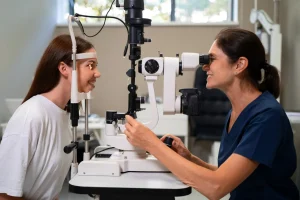
Routine eye exams help detect cataracts early, even before symptoms feel serious. An eye exam checks more than just your vision. It also looks at the health of your eyes. Seeing an optometrist ensures that any changes are noticed early. Early detection makes it easier to decide when treatment is needed. Choosing an optometry clinic near you also means you have easy access to follow up visits and professional advice whenever concerns arise.

Living with Cataracts

Many people live with early cataracts for years before surgery is needed. Simple changes, such as wearing updated glasses, using brighter lights, and limiting night driving, can make daily life easier.

The most important step is regular monitoring. Cataract management in SW Calgary focuses on tracking changes and recommending treatment only when it is necessary. This approach helps protect your vision while avoiding unnecessary procedures.

Clear Vision Starts with the Right Care

If you are noticing changes in your vision or have concerns about cataracts, we at Eyedeology Optometry are ready to help. Book your eye exam today and take an important step toward protecting your sight and staying confident in your daily life.

🔍 Comprehensive eye exams for cataract detection and care – find your way to Eyedeology Optometry.


FAQs

+ What are the warning signs that indicate I need cataract management in SW Calgary?
Common warning signs are blurred vision, difficulty seeing at night, a strong glare, and frequent change of glasses.
+ Can cataracts worsen rapidly if left untreated?
Yes. While many cataracts grow slowly, some can progress faster, especially if linked to other health problems.
+ What treatment options are available for cataract management?
Early stages may only need updated glasses. Later stages may require surgery to replace the cloudy lens.
+ How often should I get my eyes checked for early cataract detection?
Most adults should have an eye exam every one to two years. Your eye care provider may suggest more frequent visits based on your age and health.
phone Call NowBook Now

Supporting Ocular Surface Healing and Comfort

The membrane contains natural growth factors and anti-inflammatory properties. When placed over the cornea, it acts as a protective layer that supports healing and may help reduce inflammation.

Potential Benefits

  • Supports Healing: Helps promote natural healing of the eye’s surface.
  • Reduces Inflammation: Its natural properties may help calm inflammation.
  • Improves Comfort: May help relieve discomfort related to dry eye.
  • Supports Recovery: Helps support the healing of the ocular surface.

Who May Benefit?

Amniotic Membrane Therapy may be suitable for people with moderate to severe dry eye, particularly when conventional treatments have not provided enough relief. An eye care professional can assess your eyes and determine if this treatment is appropriate.

How Does It Work?

The amniotic membrane is the innermost layer of the placenta and contains growth factors and anti-inflammatory properties. During treatment, a specially prepared membrane is placed over the eye’s surface to act as a biological covering and support healing.

What to Expect

Before treatment, your optometrist will examine your eyes and determine whether Amniotic Membrane Therapy is suitable for you.

  • Before Treatment: The eye is numbed with topical anesthetic drops, and the area is prepared.
  • Membrane Placement: The preserved and sterilized membrane is placed over the cornea.
  • After Placement: A special contact lens may be used to hold the membrane in place.
  • Post-Treatment Care: Antibiotic or anti-inflammatory eye drops may be prescribed when needed.
  • Follow-Up: Regular visits help monitor healing and the membrane’s absorption or integration.
Some patients may experience mild discomfort, a foreign body sensation, or temporary blurred vision after treatment. Improvement in symptoms may take anywhere from a few days to several weeks, depending on the individual.

Understanding Dry Eye and Your Treatment Options

Dry eye can develop for several reasons, and understanding the underlying cause is an important part of managing symptoms. Our team can assess your eyes and help develop a management plan based on your individual needs.

Common Symptoms of Dry Eye

Dry eye can affect both eyes and may cause different symptoms, including:

  • Stinging or Burning – A burning, stinging, or gritty feeling in the eyes.
  • Eye Redness – Red or irritated eyes.
  • Light Sensitivity – Increased sensitivity to light.
  • Excessive Watering – Eyes that water more than usual.
  • Blurred Vision or Eye Fatigue – Blurry vision or tired, strained eyes.
  • Foreign Body Sensation – A feeling that something is in your eye.

What Causes Dry Eye?

A healthy tear film has several components that work together to keep the surface of the eye comfortable and protected. Dry eye can occur when tear production decreases or when tears evaporate too quickly.

Several factors may contribute to dry eye, including:

  • Aging
  • Allergies
  • Hormonal changes
  • Eyelid problems
  • Gland dysfunction
  • Certain health conditions
  • Living in a dry climate
  • Extended screen time

One common factor is blockage of the Meibomian glands, which produce the lipid layer of the tear film. When these glands are not functioning properly, tear evaporation can increase and contribute to dry eye symptoms.

A Personalized Approach to Dry Eye Management

Managing dry eye involves more than simply using eye drops. Our team can help develop a personalized plan that may include targeted in-office treatments, nutritional guidance, and home care based on your needs. 

Home care may include:

  • Warm Compresses: Used as part of a regular eye-care routine.
  • Lid Hygiene: Keeping the eyelids and surrounding area clean.
  • Artificial Tears: May be recommended to help manage dryness and discomfort.

In-Office Treatment Options

For patients with more severe dry eye symptoms, targeted in-office treatments may be considered. Available options include:

  • Radiofrequency
  • Intense Pulsed Light Therapy (IPL)
  • LipiFlow Therapy

These treatments may be used as part of dry eye management for symptoms such as burning, itching, redness, and irritation. The appropriate approach depends on the underlying factors contributing to your symptoms.

Managing Your Dry Eye Symptoms

Dry eye can have several contributing factors, so treatment is not the same for everyone. A thorough assessment can help identify factors affecting your tear film and determine which management options may be appropriate.

If you are experiencing persistent dryness, irritation, redness, light sensitivity, or other symptoms, speak with our eye care team about your dry eye management options.

Deep Cleansing for Healthier Eyelids and Lashes

ZEST (Zocular Eyelid System Treatment) is an in-office eyelid cleaning and debridement treatment developed by Zocular®. It is designed to clean the eyelids and lashes while helping address concerns associated with dry eye, blepharitis, and demodex.

The treatment uses a natural, okra-based gel to remove oil, debris, and residue from the eyelid margins and lashes. By improving eyelid hygiene, ZEST can help reduce the buildup that may contribute to irritation and inflammation around the eyes.

What Is ZEST?

ZEST works like a deep cleansing treatment for the eyelids and lashes. During the procedure, the okra-based gel is applied along the eyelid margins and lashes using a cotton swab. The gel is gently worked into a lather using circular motions before being rinsed away with saline solution.
The gel contains a refined extract of okra, an edible green seed pod. According to the provided product information, okra helps lift and clear oil, debris, and residue while being gentle around the eye area.

How Can ZEST Help?

Keeping the eyelids, eyelid margins, and lashes clean is an important part of eye hygiene. Buildup along the eyelid edges can contribute to symptoms such as itching, burning, gritty sensations, redness, and irritation.

ZEST is designed to address this buildup through thorough cleansing and debridement.

  • Removes Debris: Helps clear dirt, oil, and residue from the eyelid margins and lashes.
  • Supports Eyelid Hygiene: Provides a deeper cleansing treatment than routine eyelid cleaning.
    Addresses Demodex: The treatment is designed to help remove demodex mites and associated debris.
  • Helps Reduce Inflammation: Cleansing the eyelid area may help address buildup associated with irritation and inflammation.
  • Supports Dry Eye Care: ZEST may help relieve symptoms associated with dry eye and poor eyelid hygiene.

ZEST for Dry Eye, Blepharitis, and Demodex

Dry eye and blepharitis can be associated with inadequate eyelid hygiene. Debris along the eyelid margins can enter the tear film with blinking, potentially contributing to redness and irritation.

Demodex mites can also be present in the hair follicles around the eyelashes. According to the provided information, they may contribute to inflammation and dry eye symptoms by blocking the oil glands at the base of the eyelashes.

ZEST provides targeted cleansing of the eyelid margins and lashes to help remove this buildup and address demodex-related concerns.

A Simple In-Office Treatment

The ZEST procedure is performed in the office and involves applying the cleansing gel to the eyelid margins and lashes, working it into a lather, and then rinsing the area with saline solution. The treatment is designed to provide thorough eyelid and lash cleansing without requiring a lengthy procedure.

Is ZEST Right for You?

ZEST may be considered for patients experiencing symptoms associated with dry eye, blepharitis, demodex, or eyelid debris. An eye care professional can assess your symptoms and determine whether ZEST is appropriate for your eye care needs.
587-317-2134