Email Us
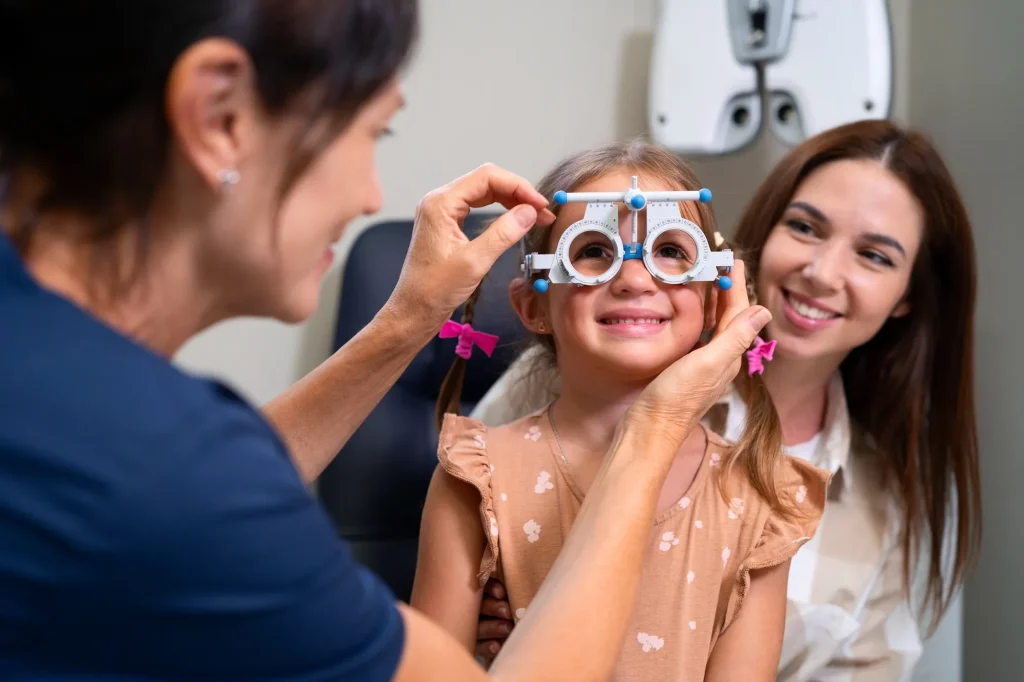
You should get your eyes checked every one to two years if you are healthy. If you wear glasses or contacts, or if you have health problems like diabetes, you need to go more often. Getting your eyes checked regularly is important because changes can happen without you noticing. Many serious health problems show up in your eyes first, before you feel anything wrong.
Why Getting Your Eyes Checked is Important
Many people think eye exams are just for getting new glasses. This is not correct. When you get a real eye checkup, your doctor can find signs of big health problems like diabetes, high blood pressure, and even some cancers. They can catch these problems early, when treatment works best.
Your eyes tell a story about your health. A good doctor can read that story. When you look for comprehensive eye exams in Calgary or near your home, you’re making a smart choice for your whole body, not just your eyes.
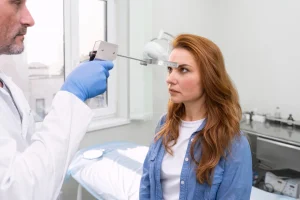
During a checkup, the doctor tests how well you see. They also check how much pressure is inside your eyes. They look at the back of your eyes with special lights and tools. They ask you questions about your health too.
Who Needs Eye Exams and How Often?
Babies and Little Kids
Babies should have their first eye check between 6 and 12 months old. Young children from 3 to 5 years old should get checked before they start school.
Kids in school need an eye exam every year. This is very important because good vision helps them learn better. If a child can’t see the board clearly, school becomes much harder.
Teenagers and Young Adults
Teenagers and young adults who don’t have eye problems can wait two years between exams. But if they wear glasses or contacts, they should go once a year.
Adults in the Middle Years
Healthy adults from 20 to 60 years old can usually wait one to two years between comprehensive eye exams near you. But this changes if you have health problems or wear glasses.
Older Adults
Those over 60 years old should consider a yearly eye examination at an eye clinic near you. As you age, your eyes change. Eye disorders are becoming common. Having regular check-ups can help diagnose problems early on.
Health Problems That Mean More Eye Visits
If you have certain health conditions, you need to see an optometrist in Calgary or your eye doctor more often.
- Diabetes – This is very important. Diabetes can hurt your eyes. People with diabetes should get checked every three to six months.
- High Blood Pressure – This can also affect your eyes. People with high blood pressure should get checked one or two times a year.
- Eye Disease – If you already have a problem with your eyes, you need more visits. You might go every three to six months.
- Family History of Glaucoma – If someone in your family had glaucoma, you might get it too. You should get checked every one to two years.
- Recent Eye Surgery – After eye surgery, you need follow-up visits to make sure everything is healing properly.
- If you have any of these conditions, talk to your doctor. They will tell you how often you should come back.
People Who Wear Glasses or Contacts
If you wear glasses, you might need to see your eye doctor once a year. If you wear contact lenses, you definitely need to go once a year. Contact lenses can cause problems if they don’t fit right. Your doctor needs to check that they are fitting properly and not hurting your eyes.
What You Should Know About Eye Exams
| Who You Are | How Often |
| Healthy children (3-5 years) | Every 1-2 years |
| Children in school | Every 1-2 years |
| Healthy young adults | Every 1-2 years |
| Healthy adults (20-60 years) | Every 1-2 years |
| Adults with health problems | Every 6-12 months |
| Adults over 60 years | Every 1-2 years, or once a year |
| People who wear contacts | Once a year |
| People with eye disease | Every 3-6 months |
What Your Eyes Tell Your Doctor
Your eyes are like a window into your body. A good eye doctor can see a lot of things during an exam. They might see signs of a stroke, heart disease, or even a brain tumour. Finding these problems early can save your life.
Eye exams also help catch diseases like glaucoma and macular degeneration. These are diseases that can make you lose your eyesight. But if your doctor catches them early, treatment works much better.
Benefits of regular comprehensive eye exams include:
- Detecting health issues early—before you feel unwell.
- Avoiding blindness—Protection of eyesight.
- Getting the right glasses or contacts – so you see clearly.
- Detecting eye diseases– before the harm is done.
- Ensuring your overall well-being– a key to success.
What Happens During Your Eye Exam
When you go for your exam, bring your glasses or contacts if you wear them. Bring your health insurance card too. The visit usually takes 30 minutes to one hour.
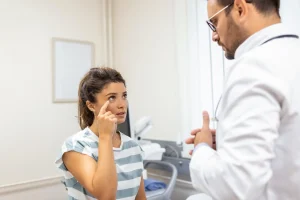
Your doctor will ask you questions about your health. They will test how well you see. Some tests are simple. Some might feel a little strange.
One test uses a puff of air to check the pressure inside your eye. This doesn’t hurt, but it might surprise you. Another test uses bright lights to look at different parts of your eye.
Your doctor might put drops in your eyes to make your pupils bigger. This helps them see the back of your eye. After this, your vision will be blurry for a few hours. You might want to wear sunglasses when you leave.
Making a Plan That Works for You
The best way to know how often you need eye exams is to talk to your eye doctor. They know your age, your health, your job, and your family history. They can make a plan that is right for you.
Don’t wait until you have problems. By then, damage might already be done. Regular checkups protect your eyes and your health.
Take Care of Your Eyes Today at Eyedeology Optometry
Your eyes help you see everything in the world. They deserve good care. Regular eye exams at Eyedeology Optometry are one of the best things you can do for yourself.
Whether you’re a child getting your first exam, a parent who wants to help your child do well in school, or an older adult who wants to stay healthy, now is a great time to schedule an appointment with us. Professional eye care doctors are here to help you keep your vision clear and your eyes healthy.
Get directions to Eyedeology and visit our clinic for comprehensive eye exams and personalized vision care.
Frequently Asked Questions
- How often should you schedule a comprehensive eye exam?
A health check should be done every one to two years with an adult who is healthy. Avoid serious complications such as blindness: eye checkups for seniors and people with eye problems are essential.
- What happens during a comprehensive eye exam?
Your eye doctor checks how well you see, measures the pressure in your eyes, looks at the front and back of your eyes with special tools, and asks about your health.
- Do children and seniors need eye exams more frequently?
Yes, children should have exams before school starts and then every one to two years. People over 60 often do better with exams once a year.
- Can a comprehensive eye exam detect health problems besides vision issues?
Yes, eye exams can show signs of diabetes, high blood pressure, heart disease, stroke, and some types of cancer before you notice any other symptoms.

 587-353-5061
 1 (587) 409-1700