phone Book Now
phone Book Now

What Is the Youngest Age to Get an Eye Exam?

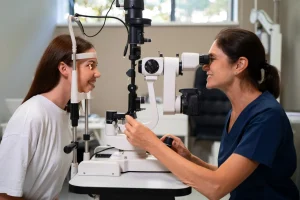
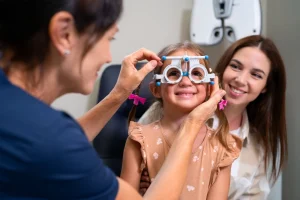
Toddler receiving a pediatric eye exam from an optometrist

Infants can see an eye doctor for the first time at six months of age. The first visit will examine your child’s eyes to ensure they are developing normally and identify any vision issues before they have started to impair learning or development. Even if your child is fine, that first eye exam for children is worth it to preserve your child’s eyes.

When Should Babies Get Eye Exams?

Experts recommend the first eye examination at six months of age. This is the ideal time to verify whether your baby’s eyes are working correctly and developing as they should. While a pediatrician can conduct basic vision screening, it is not a proper substitute for a full eye examination by an optometrist.

After the first visit, children should have additional tests at age 3 and again before they enter school, at age 5 or 6.

What Happens During an Infant Eye Exam?

Infant vision tests are recommended at 6 months of age to monitor vision development and detect any issues early on, making this the ideal infant eye exam age. During the vision test, the optometrist checks:

  • How the eyes move and align
  • Pupil reaction to light
  • Eye alignment
  • Overall eye health
  • Whether your child needs glasses

These tests are completely harmless and do not hurt at all. Most kids enjoy it, especially if it’s with fun lights or toys to direct their attention.

Why Early Eye Exams are Important in Toddlers and Preschool Children

Kids develop rapidly, as do their eyes. A number of eye issues start before school age but will not necessarily be noticed by teachers or parents. An early eye exam for toddlers will show issues that impact depth perception, hand-eye coordination, and learning.

The child does not even know that they perceive the world in a different way from others. Therefore, they must visit an expert for a checkup as a routine, even if they do not complain so much about their eyesight.

If you’re searching for Children’s Eye Exams near you, choose a clinic that has experience working with kids and knows how to make the process easy and comforting for young patients.

Typical Indications Your Child May Need an Eye Exam Sooner

Even if your child has already had an eye exam, you should book another one if you notice:

  • Squinting or frequent blinking
  • Rubbing the eyes often
  • Poor hand-eye coordination
  • Sitting very close to the screens
  • Trouble following objects
  • Tilting the head while looking

These may be early signs of vision problems, and the sooner they are treated, the better.

How Often Should Children See an Optometrist?

Here is a general timeline to follow:

  • 6 months old: First eye exam
  • 3 years old: Second eye exam
  • Before kindergarten: Third exam
  • Every 1–2 years after that

More frequent visits may be needed if your child wears glasses or has an existing eye condition. A trusted optometrist in Calgary can help create a personalized schedule based on your child’s unique needs.

Can Eye Problems in Childhood Be Treated?

Yes. Most childhood vision problems can be improved or fully corrected when found early. Treatments may include:

  • Prescription glasses
  • Eye patches (for lazy eye)
  • Vision therapy
  • Eye drops or medication.

A skilled optometrist will help you sort through these choices and collaborate with you to determine what’s best for your child.

The Role of Parents in Eye Health

You can support your child’s vision by:

  • Limiting screen time
  • Encouraging outdoor play
  • Watching for signs of vision issues
  • Keeping regular eye exam appointments

Healthy eyes are a key part of learning, reading, and playing. Eye exams are just as important as dental and doctor visits.

Early Eye Exams Set the Foundation for Lifelong Vision Health

Starting eye exams at six months old is a smart step toward protecting your child’s vision. These early visits help detect problems before they interfere with learning, development, or confidence. As your child grows, regular checkups ensure their eyesight continues to support their overall health and success.

By understanding the right timeline and watching for early signs, you can play an active role in your child’s eye health journey.

Book Your Child’s Eye Exam Today

If you’re looking for a reliable and friendly optometrist in Calgary, Eyedeology Optometry is here for your family. We offer professional Children’s Eye Exams in a warm and welcoming environment designed for kids of all ages.

Book your child’s first or next eye exam today and take the first step in protecting their vision for life.

Frequently Asked Questions

Q: What is the recommended age for the baby eye test?

A: The initial eye test at six months old is advised even without any indication of vision issues.

Q: How do I determine if my toddler should have an eye exam?

A: Indications include squinting, eye rubbing, coordination issues, or holding objects near. If you see these, get an exam immediately.

Q: Can children get eye exams if they do not even know letters yet?

A: Optometrists use movement, shapes, and lights to test young children who don’t yet know how to read or enunciate.

phone Call NowBook Now

Supporting Ocular Surface Healing and Comfort

The membrane contains natural growth factors and anti-inflammatory properties. When placed over the cornea, it acts as a protective layer that supports healing and may help reduce inflammation.

Potential Benefits

  • Supports Healing: Helps promote natural healing of the eye’s surface.
  • Reduces Inflammation: Its natural properties may help calm inflammation.
  • Improves Comfort: May help relieve discomfort related to dry eye.
  • Supports Recovery: Helps support the healing of the ocular surface.

Who May Benefit?

Amniotic Membrane Therapy may be suitable for people with moderate to severe dry eye, particularly when conventional treatments have not provided enough relief. An eye care professional can assess your eyes and determine if this treatment is appropriate.

How Does It Work?

The amniotic membrane is the innermost layer of the placenta and contains growth factors and anti-inflammatory properties. During treatment, a specially prepared membrane is placed over the eye’s surface to act as a biological covering and support healing.

What to Expect

Before treatment, your optometrist will examine your eyes and determine whether Amniotic Membrane Therapy is suitable for you.

  • Before Treatment: The eye is numbed with topical anesthetic drops, and the area is prepared.
  • Membrane Placement: The preserved and sterilized membrane is placed over the cornea.
  • After Placement: A special contact lens may be used to hold the membrane in place.
  • Post-Treatment Care: Antibiotic or anti-inflammatory eye drops may be prescribed when needed.
  • Follow-Up: Regular visits help monitor healing and the membrane’s absorption or integration.
Some patients may experience mild discomfort, a foreign body sensation, or temporary blurred vision after treatment. Improvement in symptoms may take anywhere from a few days to several weeks, depending on the individual.

Understanding Dry Eye and Your Treatment Options

Dry eye can develop for several reasons, and understanding the underlying cause is an important part of managing symptoms. Our team can assess your eyes and help develop a management plan based on your individual needs.

Common Symptoms of Dry Eye

Dry eye can affect both eyes and may cause different symptoms, including:

  • Stinging or Burning – A burning, stinging, or gritty feeling in the eyes.
  • Eye Redness – Red or irritated eyes.
  • Light Sensitivity – Increased sensitivity to light.
  • Excessive Watering – Eyes that water more than usual.
  • Blurred Vision or Eye Fatigue – Blurry vision or tired, strained eyes.
  • Foreign Body Sensation – A feeling that something is in your eye.

What Causes Dry Eye?

A healthy tear film has several components that work together to keep the surface of the eye comfortable and protected. Dry eye can occur when tear production decreases or when tears evaporate too quickly.

Several factors may contribute to dry eye, including:

  • Aging
  • Allergies
  • Hormonal changes
  • Eyelid problems
  • Gland dysfunction
  • Certain health conditions
  • Living in a dry climate
  • Extended screen time

One common factor is blockage of the Meibomian glands, which produce the lipid layer of the tear film. When these glands are not functioning properly, tear evaporation can increase and contribute to dry eye symptoms.

A Personalized Approach to Dry Eye Management

Managing dry eye involves more than simply using eye drops. Our team can help develop a personalized plan that may include targeted in-office treatments, nutritional guidance, and home care based on your needs. 

Home care may include:

  • Warm Compresses: Used as part of a regular eye-care routine.
  • Lid Hygiene: Keeping the eyelids and surrounding area clean.
  • Artificial Tears: May be recommended to help manage dryness and discomfort.

In-Office Treatment Options

For patients with more severe dry eye symptoms, targeted in-office treatments may be considered. Available options include:

  • Radiofrequency
  • Intense Pulsed Light Therapy (IPL)
  • LipiFlow Therapy

These treatments may be used as part of dry eye management for symptoms such as burning, itching, redness, and irritation. The appropriate approach depends on the underlying factors contributing to your symptoms.

Managing Your Dry Eye Symptoms

Dry eye can have several contributing factors, so treatment is not the same for everyone. A thorough assessment can help identify factors affecting your tear film and determine which management options may be appropriate.

If you are experiencing persistent dryness, irritation, redness, light sensitivity, or other symptoms, speak with our eye care team about your dry eye management options.

Deep Cleansing for Healthier Eyelids and Lashes

ZEST (Zocular Eyelid System Treatment) is an in-office eyelid cleaning and debridement treatment developed by Zocular®. It is designed to clean the eyelids and lashes while helping address concerns associated with dry eye, blepharitis, and demodex.

The treatment uses a natural, okra-based gel to remove oil, debris, and residue from the eyelid margins and lashes. By improving eyelid hygiene, ZEST can help reduce the buildup that may contribute to irritation and inflammation around the eyes.

What Is ZEST?

ZEST works like a deep cleansing treatment for the eyelids and lashes. During the procedure, the okra-based gel is applied along the eyelid margins and lashes using a cotton swab. The gel is gently worked into a lather using circular motions before being rinsed away with saline solution.
The gel contains a refined extract of okra, an edible green seed pod. According to the provided product information, okra helps lift and clear oil, debris, and residue while being gentle around the eye area.

How Can ZEST Help?

Keeping the eyelids, eyelid margins, and lashes clean is an important part of eye hygiene. Buildup along the eyelid edges can contribute to symptoms such as itching, burning, gritty sensations, redness, and irritation.

ZEST is designed to address this buildup through thorough cleansing and debridement.

  • Removes Debris: Helps clear dirt, oil, and residue from the eyelid margins and lashes.
  • Supports Eyelid Hygiene: Provides a deeper cleansing treatment than routine eyelid cleaning.
    Addresses Demodex: The treatment is designed to help remove demodex mites and associated debris.
  • Helps Reduce Inflammation: Cleansing the eyelid area may help address buildup associated with irritation and inflammation.
  • Supports Dry Eye Care: ZEST may help relieve symptoms associated with dry eye and poor eyelid hygiene.

ZEST for Dry Eye, Blepharitis, and Demodex

Dry eye and blepharitis can be associated with inadequate eyelid hygiene. Debris along the eyelid margins can enter the tear film with blinking, potentially contributing to redness and irritation.

Demodex mites can also be present in the hair follicles around the eyelashes. According to the provided information, they may contribute to inflammation and dry eye symptoms by blocking the oil glands at the base of the eyelashes.

ZEST provides targeted cleansing of the eyelid margins and lashes to help remove this buildup and address demodex-related concerns.

A Simple In-Office Treatment

The ZEST procedure is performed in the office and involves applying the cleansing gel to the eyelid margins and lashes, working it into a lather, and then rinsing the area with saline solution. The treatment is designed to provide thorough eyelid and lash cleansing without requiring a lengthy procedure.

Is ZEST Right for You?

ZEST may be considered for patients experiencing symptoms associated with dry eye, blepharitis, demodex, or eyelid debris. An eye care professional can assess your symptoms and determine whether ZEST is appropriate for your eye care needs.
587-317-2134