phone Book Now
phone Book Now

Considering Lasik Refractive Surgery?

Laser Vision Correction

Thinking about ditching the glasses and contact lenses? Wondering if laser eye surgery is for you? Our Optometrists are here to help you.

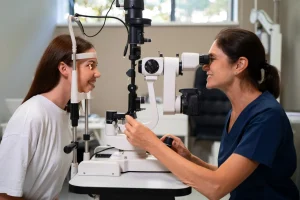
Not everyone is a candidate for laser refractive surgery. Before any refractive surgery, it is important for our eye doctors to determine if you are a good candidate for surgery. Our eye doctors will do a comprehensive eye examination to evaluate:

– ocular and medical history

– lifestyle and vision needs

– how well you see

– your vision correction – nearsighted, farsighted, astigmatism, presbyopia

– the shape and thickness of your cornea

– Pupils size and shape

– Retina health

Our eye doctors will also evaluate you for dry eyes and recommend treatment to help reduce dry eyes after surgery especially Calgary.

We co-manage care with the top surgeons in Calgary and will make the appropriate referral. If you uncertain about your options, as part of our care to you, we will review your options with you once you have completed the assessment.

As there are a number of procedures, it can certainly be overwhelming. Here is some more information on the various procedures.

LASIK (laser assisted in situ keratomileusis) is the most common laser vision correction used to treat myopia (nearsightedness), hyperopia (farsightedness) and astigmatism. The procedure involves creating a thin flap in the cornea with a microkeratome or femtosecond laser. This flap is raised and then laid back after using a laser to reshape the underlying cornea. You can either have Standard LASIK or Custom Wavefront LASIK which customizes the standard LASIK procedure to each individual.

PRK involves removing the surface layer of the cornea and then using a laser to reshape the cornea in the same manner as the LASIK procedure. Similarly, you can have Standard PRK or Custom Wavefront PRK.

Presbyopia or Reading Vision Correction involves improving your near vision after the age of 40 years. Two procedures are used:

– Monovision involves correcting one eye for near vision and the other eye for distance vision.

– Refractive Lens Exchange (RLE) is similar to cataract surgery in that a multifocal lens is implanted to replace the current lens of the eye.

As with any surgery it is very important to understand the procedure, have appropriate expectations of the outcome and to follow your instructions. For further information or to request a pre-operative assessment with our Calgary Optometrists, feel free to give us a call at 587-353-5061 or send us an email at [email protected].We are happy to help you see well.

phone Call NowBook Now

Supporting Ocular Surface Healing and Comfort

The membrane contains natural growth factors and anti-inflammatory properties. When placed over the cornea, it acts as a protective layer that supports healing and may help reduce inflammation.

Potential Benefits

  • Supports Healing: Helps promote natural healing of the eye’s surface.
  • Reduces Inflammation: Its natural properties may help calm inflammation.
  • Improves Comfort: May help relieve discomfort related to dry eye.
  • Supports Recovery: Helps support the healing of the ocular surface.

Who May Benefit?

Amniotic Membrane Therapy may be suitable for people with moderate to severe dry eye, particularly when conventional treatments have not provided enough relief. An eye care professional can assess your eyes and determine if this treatment is appropriate.

How Does It Work?

The amniotic membrane is the innermost layer of the placenta and contains growth factors and anti-inflammatory properties. During treatment, a specially prepared membrane is placed over the eye’s surface to act as a biological covering and support healing.

What to Expect

Before treatment, your optometrist will examine your eyes and determine whether Amniotic Membrane Therapy is suitable for you.

  • Before Treatment: The eye is numbed with topical anesthetic drops, and the area is prepared.
  • Membrane Placement: The preserved and sterilized membrane is placed over the cornea.
  • After Placement: A special contact lens may be used to hold the membrane in place.
  • Post-Treatment Care: Antibiotic or anti-inflammatory eye drops may be prescribed when needed.
  • Follow-Up: Regular visits help monitor healing and the membrane’s absorption or integration.
Some patients may experience mild discomfort, a foreign body sensation, or temporary blurred vision after treatment. Improvement in symptoms may take anywhere from a few days to several weeks, depending on the individual.

Understanding Dry Eye and Your Treatment Options

Dry eye can develop for several reasons, and understanding the underlying cause is an important part of managing symptoms. Our team can assess your eyes and help develop a management plan based on your individual needs.

Common Symptoms of Dry Eye

Dry eye can affect both eyes and may cause different symptoms, including:

  • Stinging or Burning – A burning, stinging, or gritty feeling in the eyes.
  • Eye Redness – Red or irritated eyes.
  • Light Sensitivity – Increased sensitivity to light.
  • Excessive Watering – Eyes that water more than usual.
  • Blurred Vision or Eye Fatigue – Blurry vision or tired, strained eyes.
  • Foreign Body Sensation – A feeling that something is in your eye.

What Causes Dry Eye?

A healthy tear film has several components that work together to keep the surface of the eye comfortable and protected. Dry eye can occur when tear production decreases or when tears evaporate too quickly.

Several factors may contribute to dry eye, including:

  • Aging
  • Allergies
  • Hormonal changes
  • Eyelid problems
  • Gland dysfunction
  • Certain health conditions
  • Living in a dry climate
  • Extended screen time

One common factor is blockage of the Meibomian glands, which produce the lipid layer of the tear film. When these glands are not functioning properly, tear evaporation can increase and contribute to dry eye symptoms.

A Personalized Approach to Dry Eye Management

Managing dry eye involves more than simply using eye drops. Our team can help develop a personalized plan that may include targeted in-office treatments, nutritional guidance, and home care based on your needs. 

Home care may include:

  • Warm Compresses: Used as part of a regular eye-care routine.
  • Lid Hygiene: Keeping the eyelids and surrounding area clean.
  • Artificial Tears: May be recommended to help manage dryness and discomfort.

In-Office Treatment Options

For patients with more severe dry eye symptoms, targeted in-office treatments may be considered. Available options include:

  • Radiofrequency
  • Intense Pulsed Light Therapy (IPL)
  • LipiFlow Therapy

These treatments may be used as part of dry eye management for symptoms such as burning, itching, redness, and irritation. The appropriate approach depends on the underlying factors contributing to your symptoms.

Managing Your Dry Eye Symptoms

Dry eye can have several contributing factors, so treatment is not the same for everyone. A thorough assessment can help identify factors affecting your tear film and determine which management options may be appropriate.

If you are experiencing persistent dryness, irritation, redness, light sensitivity, or other symptoms, speak with our eye care team about your dry eye management options.

Deep Cleansing for Healthier Eyelids and Lashes

ZEST (Zocular Eyelid System Treatment) is an in-office eyelid cleaning and debridement treatment developed by Zocular®. It is designed to clean the eyelids and lashes while helping address concerns associated with dry eye, blepharitis, and demodex.

The treatment uses a natural, okra-based gel to remove oil, debris, and residue from the eyelid margins and lashes. By improving eyelid hygiene, ZEST can help reduce the buildup that may contribute to irritation and inflammation around the eyes.

What Is ZEST?

ZEST works like a deep cleansing treatment for the eyelids and lashes. During the procedure, the okra-based gel is applied along the eyelid margins and lashes using a cotton swab. The gel is gently worked into a lather using circular motions before being rinsed away with saline solution.
The gel contains a refined extract of okra, an edible green seed pod. According to the provided product information, okra helps lift and clear oil, debris, and residue while being gentle around the eye area.

How Can ZEST Help?

Keeping the eyelids, eyelid margins, and lashes clean is an important part of eye hygiene. Buildup along the eyelid edges can contribute to symptoms such as itching, burning, gritty sensations, redness, and irritation.

ZEST is designed to address this buildup through thorough cleansing and debridement.

  • Removes Debris: Helps clear dirt, oil, and residue from the eyelid margins and lashes.
  • Supports Eyelid Hygiene: Provides a deeper cleansing treatment than routine eyelid cleaning.
    Addresses Demodex: The treatment is designed to help remove demodex mites and associated debris.
  • Helps Reduce Inflammation: Cleansing the eyelid area may help address buildup associated with irritation and inflammation.
  • Supports Dry Eye Care: ZEST may help relieve symptoms associated with dry eye and poor eyelid hygiene.

ZEST for Dry Eye, Blepharitis, and Demodex

Dry eye and blepharitis can be associated with inadequate eyelid hygiene. Debris along the eyelid margins can enter the tear film with blinking, potentially contributing to redness and irritation.

Demodex mites can also be present in the hair follicles around the eyelashes. According to the provided information, they may contribute to inflammation and dry eye symptoms by blocking the oil glands at the base of the eyelashes.

ZEST provides targeted cleansing of the eyelid margins and lashes to help remove this buildup and address demodex-related concerns.

A Simple In-Office Treatment

The ZEST procedure is performed in the office and involves applying the cleansing gel to the eyelid margins and lashes, working it into a lather, and then rinsing the area with saline solution. The treatment is designed to provide thorough eyelid and lash cleansing without requiring a lengthy procedure.

Is ZEST Right for You?

ZEST may be considered for patients experiencing symptoms associated with dry eye, blepharitis, demodex, or eyelid debris. An eye care professional can assess your symptoms and determine whether ZEST is appropriate for your eye care needs.
587-317-2134